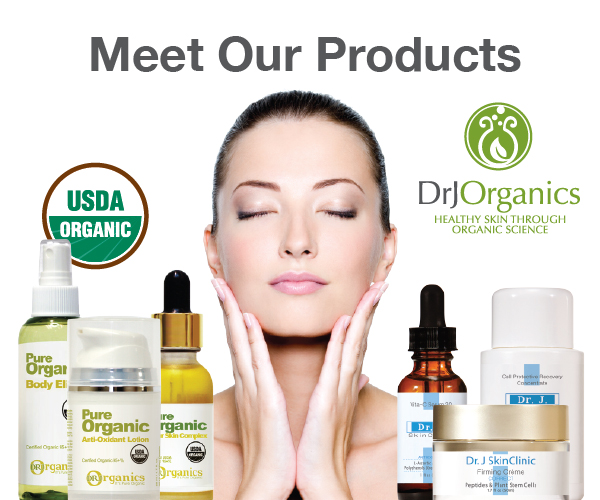
We all know the benefits of eating home cooked, organic foods – fewer toxins, no genetically modified ingredients and more flavor. Choosing organic makeup and beauty products brings the same advantages, with naturally effective treatments for skin, hair and body that feel great, smell delicious and work in harmony with your skin’s natural functions to promote health and radiance.
What is Natural?
Natural products are made from plants, minerals, and/or animal derived ingredients, rather than from synthetic compounds or petrochemicals. However, there is no legal definition of “natural” at this time and many companies claim their products are “natural.” The BDIH is a standards body that certifies a product to be 100% natural, and in doing so, applies their own strict set of rules that govern any product displaying the Certified Natural seal. These rules define “natural” to exclude synthetic compounds, petrochemical derived compounds, genetically modified organisms and raw materials from dead animals. It also excludes animal testing and mandates certified organic sourced ingredients wherever possible.
Natural ingredients, organic or not, ensure that petrochemical and synthetic compounds are not accumulating in your body or the environment. While natural ingredients do not eliminate the possibility that the skin care you chose will irritate your skin or trigger an allergic reaction, it does reduce the likelihood of such occurrence.
What is Organic?
If a product bears an official ‘certified organic’ stamp, you can be confident that the majority of its ingredients (at least 95%) have been grown and processed according to strict, government-controlled, organic agricultural standards, and then verified by a third-party certifying body.
Organic agricultural standards do not allow for any use of synthetic pesticides, chemical fertilizers, sewage sludge, or genetically modified organisms (GMO’s), although issues have been raised regarding the latter. They also set strict criteria in regards to the treatment of animals and the environment.
In addition to the benefits they reap for our personal health, organic farming methods also have tremendous advantages for the environment. Through using natural fertilizers, they greatly reduce the amount of toxic chemicals, such as synthetic pesticides and herbicides, released into the environment, and the volume of those chemicals that appear in the water supply. The less aggressive, intensive farming practices of organic agriculture also help safeguard the quality of natural resources.
When buying organic beauty products such as organic cosmetics or skin care items, make sure and read what ingredients are in each product and do a search for the products online and read reviews. Additionally, if there’s a certified “natural” or “organic” seal, make sure you research the company’s criteria for labeling their products as such.
Liz Thompson is founder and editor of Organic Beauty Source, a blog where she shares information on safe, natural beauty and personal care products, such as natural cosmetics and organic skin care. Years of extensive research on the subject of safe cosmetics and a passion for all things beautiful led this mother of two to create this online venue where the conscientious consumer can easily find products free from harmful ingredients and educate themselves in the process.
Oily skincare products can sometime worsen an oily skin problem, rather than help it. Finding the right product to restore skin’s natural oil balance can be a chore. There are literally hundreds (possibly even thousands) of products to choose from and each one invariably claims to solve all of your oily skin care problems. But which products really work? And what should you look for in a product?
The first thing you need to be aware of is oil in a skin care product does NOT mean it is bad or won’t work. In fact the best oily skincare products must contain oil. It is the the type of oil that you need to lookout for.
Many skin care products contain harsh and harmful ingredients that you should always avoid.
Alcohol and mineral oil are two of the main culprits. Alcohol tends to dry skin out and strip off its protective layer. These two ingredients tend to damage skin, yet they are still used as the primary ingredients in many skin care products.
What exactly do these ingredients do? Well, mineral oil is a petroleum product that–rather than hydrating your skin–seals it and clogs the pores.
Clogged pores prevents the skin from eliminating toxins. Skin can become irritated and breakout. Have this going on long enough and you will see skin with premature aging and damage.
Alcohol, on the other hand, removes oil from the skin, but removes all the oil including the skin’s protective layer which causes excessive drying. Leading to more pronounced fine lines and wrinkles. A certain amount of oil is needed to protect skin from the harmful effects of the sun and the environment.
So, what do you need? Look for oily skincare products that contain–natural plant based oils–like Olive oil, Jojoba Oil, etc.
One of the most effective is avocado oil. It is know to deeply hydrate skin, is a powerful antioxidant and because its composition is similar to that of human skin oil is easily absorbed by the skin.
Avocado oil also helps the skin’s production of collagen. (One of the proteins that gives the skin its elasticity and keeps it free or wrinkles and looking young).
While oily skin may be annoying and unsightly, but it is just as bad to go from one extreme to another–overly dry skin. This back and forth cycle can produce permanently damaged skin.
In conclusion, when searching for the best oily skincare products. Don’t be afraid of skin care products that contain natural plant oils. (The right natural plant oils!) They won’t make you skin more oily, they will balance out your skin’s natural oil, making your skin smooth, supple and lovely.
Take your time and don’t get discouraged. Finding the perfect product that is both gentle and effective can be done and in the end it will certainly be well worth the search.
If you want to learn more about oily skincare products, Then head over to this outstanding resource Web Site immediately: Health Body And Skin
Cosmetics and toiletry products are largely dependent on chemicals for their manufacturing. Growing demands for these products in the market for such products has reached nearly $ 7.6 billion by 2010.
Over the years demands for
cosmetic products and especially the beauty products has resulted in corresponding hike in the demands for cosmetic and toiletry chemicals in United States. Annual rate or rise in demands is around 5.4%.
Reasons for Rise in Demands
Multiple reasons have contributed to the rise in demands for such chemicals such as
* Consumers desire to offset aging effects;
* Preferences among customers for natural products;
* Favorable trends in demographics;
* Growth in demands for active ingredients like enzymes and amino acids; and
* Continued gains in cosmetic skin care products.
Traditional Cosmetics and Toiletry Products
These days, there is a strong trend in the consumer market towards nanotechnologies and natural products like botanical extracts, soy protein, natural fats as well as oils. In addition the natural inclination of manufacturers is towards non-traditional chemicals instead of traditional chemicals like the petroleum products or commodity surfactants. One of the reasons for such decline in the popularity of non-traditional chemicals is increasing popularity of water based chemicals instead of harsh ones.
Components Gaining Rapid Growth
Some of the articles used as toiletry products and beauty products have been achieving rapid growth during 2010. Male grooming, anti-aging, 50+, and ethnic products are becoming very popular. Facial and skin care items for both men and women and exclusive mail products like higher value shaving components are becoming the craze of the day. Women oriented products like moisturizers and hair care are among the trendy items as well. In result the demand for cosmetics and toiletry products are forever on the rise.
Statistical Features
Studies conducted on the growing demands for the chemicals used in cosmetic as well as toiletry items indicate that the annual growth rates for different components during the decade 2001-2010 are as follows.
* Cosmetic and toiletry chemicals5.4%
* Cleansing Agents and Foamier6.9%
* Emollients and Moisturizers5.6%
* Fragrances and Flavors4.1%
*Processing Aids5.0%
Role Played by NPA
Role played by the Natural Products Association or NPA in the matter has been very important. New discounts have been introduced by them to help manufacturers to meet the ever growing demands for natural products. Granting certifications to over 500 products in a period of only two years it has made a wide array of raw materials available for the manufacturers. In the process, NPA is offering the manufacturers great opportunities to bring their Certified Natural personal care as well as home care products to the market while availing the discounts offered by NPA.
Discount Features
NPA program has been highly successful reportedly. Discounts offered by NPA on natural ingredients for cosmetics and toiletry products include: –
* 25% in products containing four or more ingredients certified by NPA; and
* 50% in products that uses only NPA certified ingredients.
Most of the ingredients certified by NPA are natural products and it has been a major reason for the current trend in the chemical markets for cosmetics as well as toiletry products.
Author has wide knowledge of B2B Marketplace and Business industries. For import export trade leads and business opportunities for cosmetics products and toiletries products, Visit online trade portal Trade.indiaMART.com